
2026 Mid-Season Hail Update: The Midwest is Getting Hammered Early
The Midwest is seeing an incredible amount of hail in 2026. Meanwhile the Gulf States feel almost skipped in hail reports. HailTrace's Martin Lowrimore goes over why this hail season has been so different.
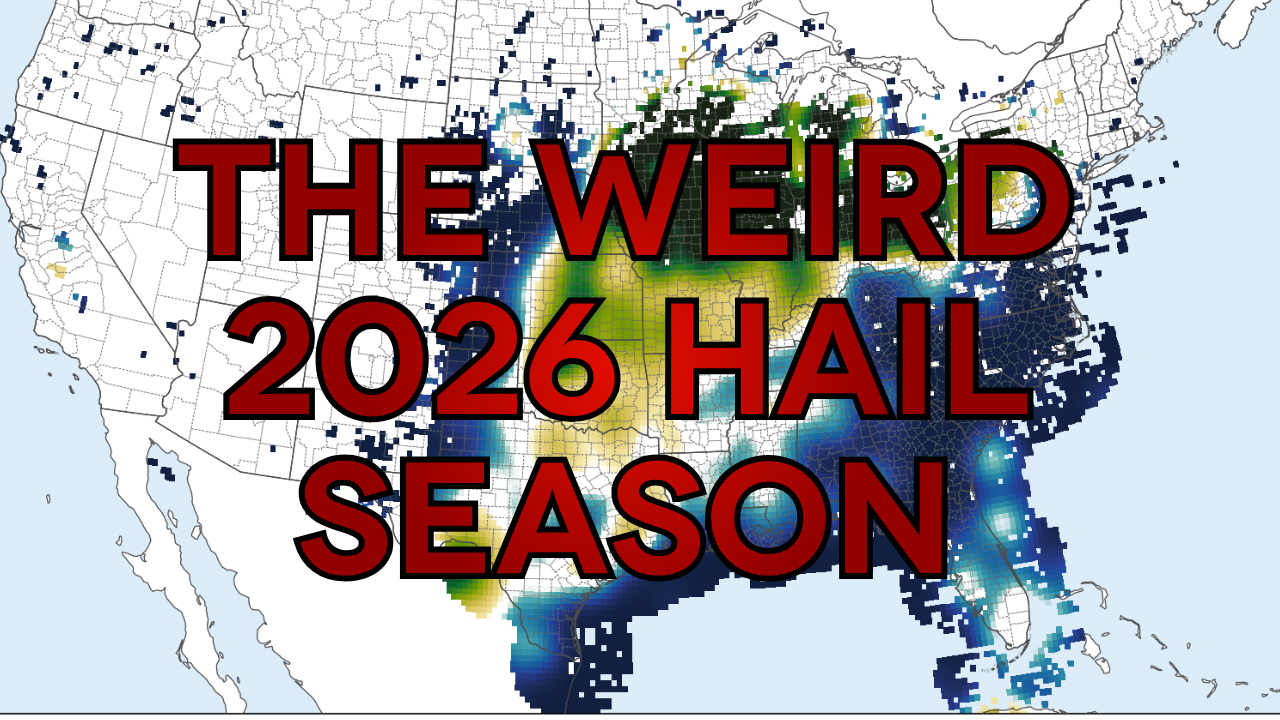
If it feels like all the hailstorms this year have been targeting the Midwest, the data says you're right. In an unusual pattern, entire regions of the country that are normally haunted by hailstorms have been noticeably quiet, while others have had their hail season kicked off about three months early.
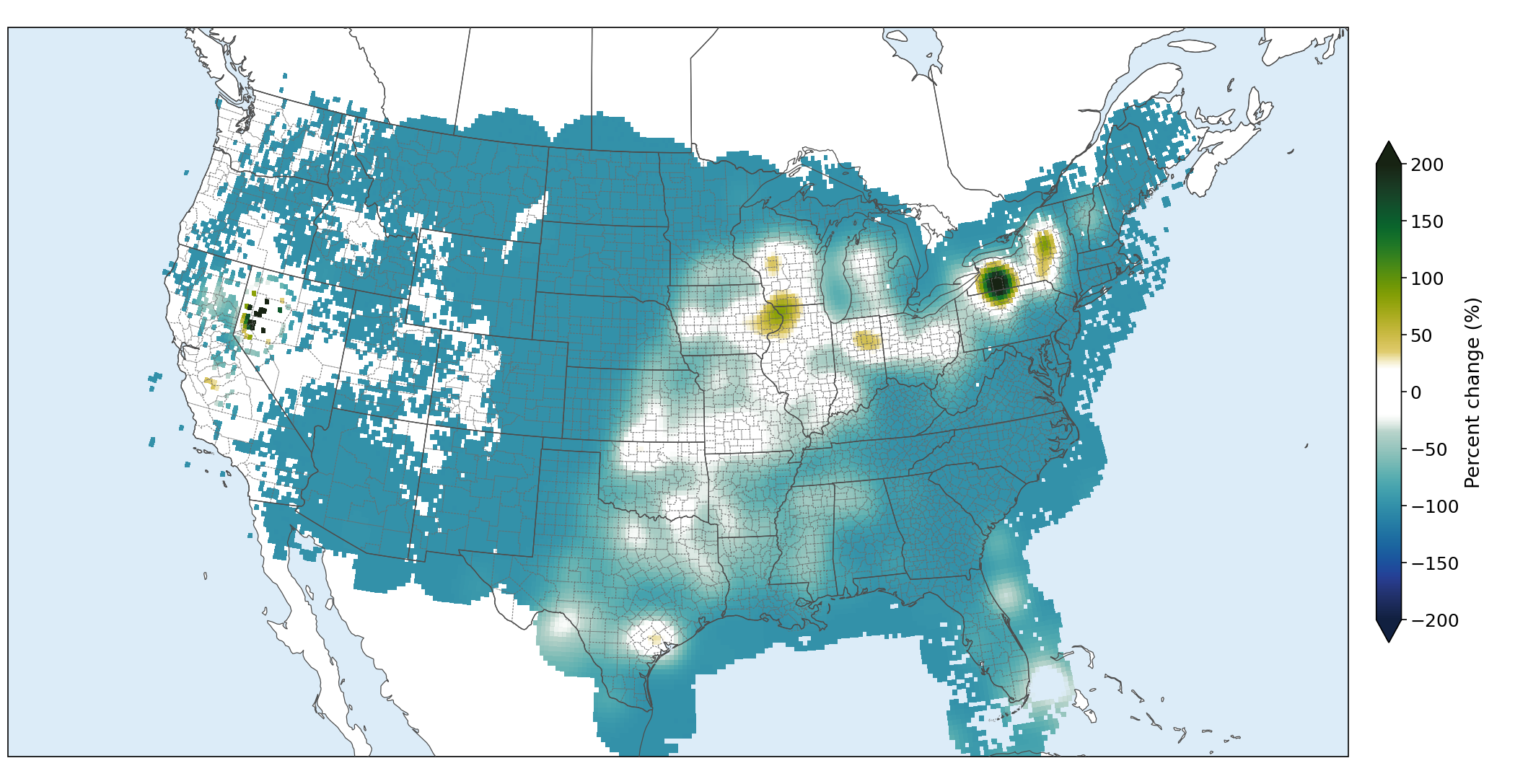
2026 is the Year of Midwest Hailstorms
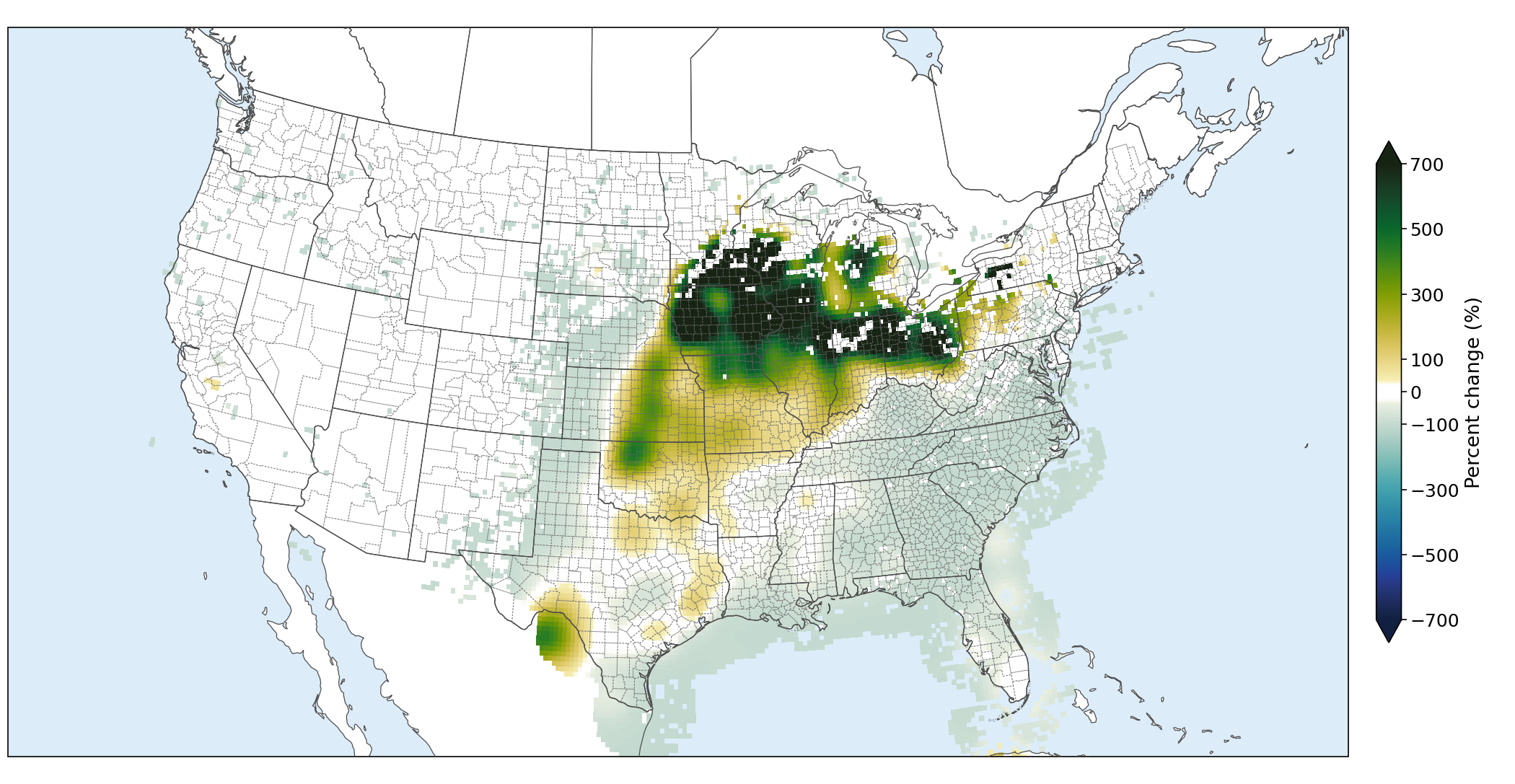
The 2026 Hail Season has been anything but normal, with the Midwest seeing a historical level of reported hail so far this year, meanwhile much of the Gulf States are still waiting for their first storm of the year.
Some areas of the Midwest and Northern Plains have seen upwards of four to five times the normal hail reports through the first four months of the year.

The Midwest is no stranger to large hail, but storms tend to peak in late spring and summer. As of May 7th, a bulk majority of HailTrace's highest-rated hail maps were further north than normal for early to mid-spring.
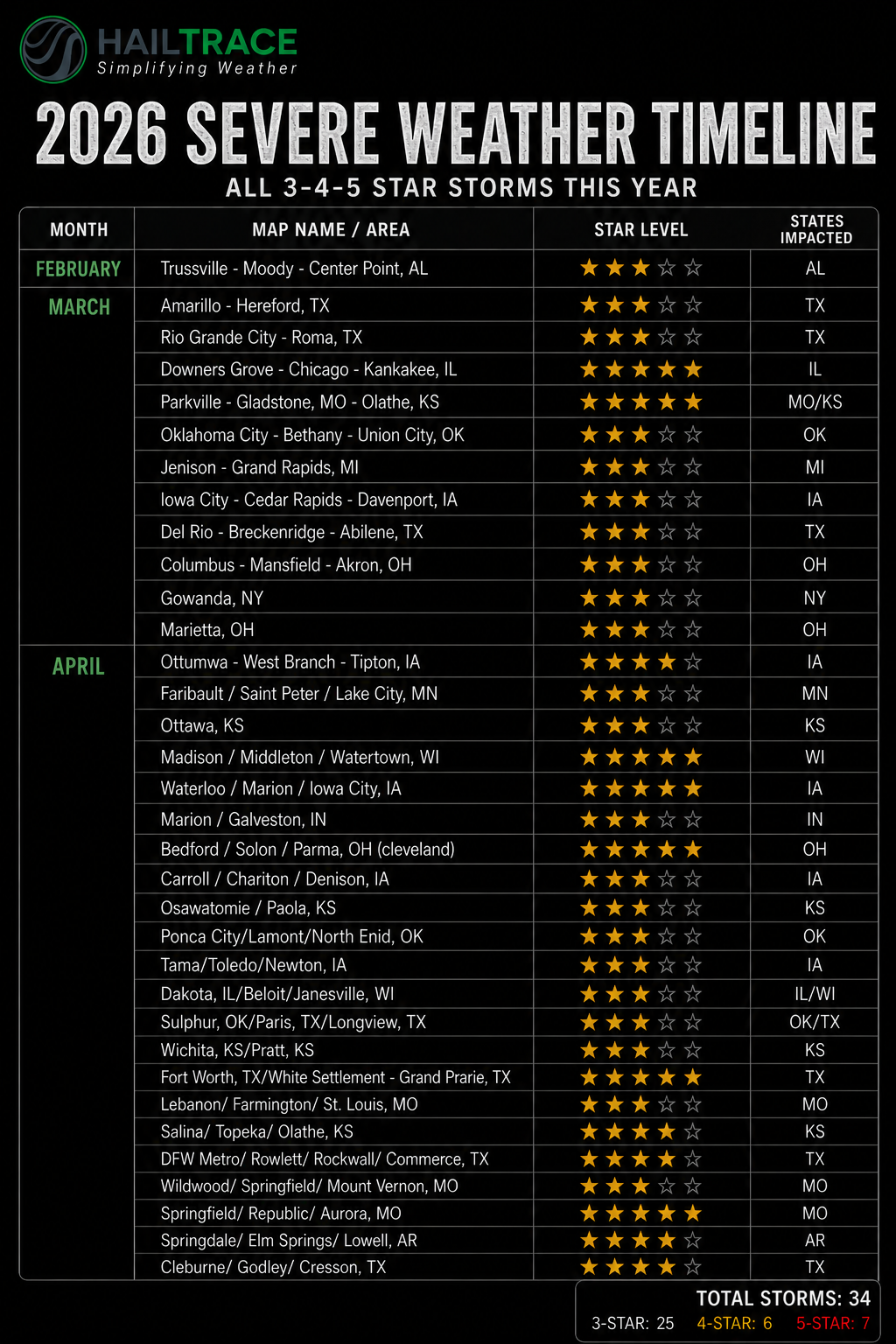
HailTrace mapped 7 five star hail maps so far in 2026, with five of the seven being north of Interstate 70. Compared to last year, where there were 8 five star maps in total, only one was north of Interstate 70. One of these maps was also responsible for a new state record hailstone for Illinois.
Where Has the Gulf States' Hail Gone?
While the Midwest has seen hailstorm after hailstorm, the Gulf States, which normally see the bulk of their hail early in the season, have largely missed out on most storms so far in 2026.
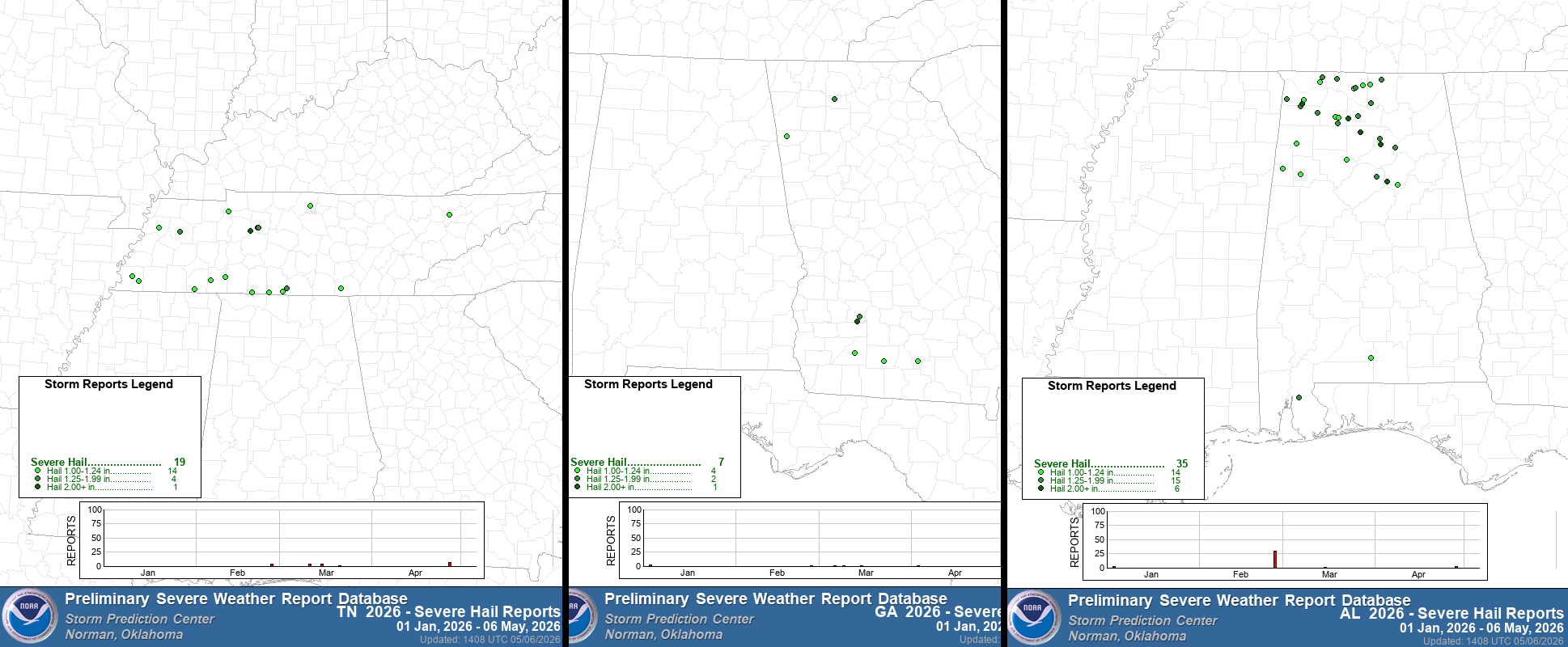
Most Gulf States tend to get hail from March to early May, before storms trend to the north by mid to late-May. So far this year, some Gulf States have not even recorded their 10th severe hail report for 2026. Combining Tennessee, Georgia, and Alabama had just 61 severe hail reports as of May 6th. Meanwhile, Illinois has had over triple that number.
Will the Trend Continue?
We tend to see the risk for severe hail trend north into the Midwest as the season progresses, eventually moving west into the Northern/Central Rockies and far Northern Plains by July/August. However, with parts of the Midwest already experiencing an unusually active start to the season, the question remains: will these trends continue through the rest of 2026?
Climate Average Risk for Severe Hail Beginning March 1st through July 31st, Credit: NOAA/NWS
If climate averages are to be followed, then the Midwest will see a continuing risk for severe storms and, in turn, hail. However, the hail season is "ahead of schedule" then the storm activity will trend north and west this coming May, only time really will tell.
HailTrace meteorologists have already mapped dozens of major hailstorms during the start of the 2026 severe weather season — and will continue tracking and mapping storms across the country throughout the months ahead. Explore hail maps from past storms at HailTrace.com/hail-maps and stay ahead of the next storm with the HailTrace app, which provides alerts whenever large hail is detected near your area.