
March 2026 Storm Recap: Tornado Outbreaks, 6" Hail, and HailTrace 5-Star Hail Maps!
March 2026 began with over 50 tornadoes, record 6.14" hail in Illinois, and widespread severe storms across the central U.S. Be prepared because we expect a more active April ahead.



This March is kicking of spring with several major severe weather events, with over 50+ confirmed tornadoes, multiple 5-star hailstorms, and a new Illinois state record for hail set by a massive 6.14-inch hailstone.
Across the month, numerous severe weather outbreaks swept across the central and southern U.S., producing several HailTrace 3+ star-rated hail maps, including two unprecedented 5-star hailstorms on the same day.

Spring 2026’s First Severe Weather Outbreak
March 5-7, 2026 marks the first series of days severe weather occurred. Not to mention, this was only the first week of March.
On March 5, a deadly nocturnal tornado caused 2 fatalities in Fairview, OK at approximately 8:30 PM CST. The tornado crossed U.S. Highway 60, tragically impacting a vehicle carrying a mother and her daughter.
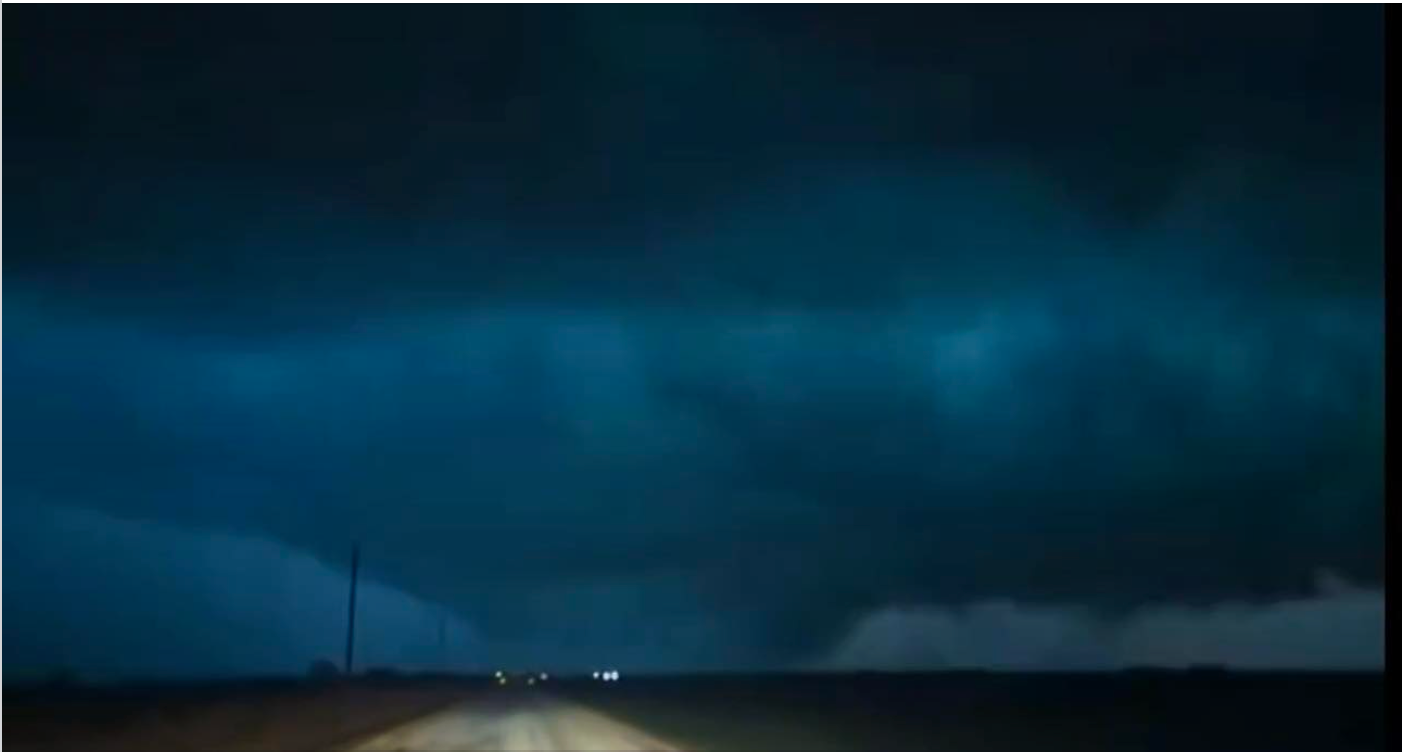
The nocturnal nature of the storm created extremely limited visibility, with its massive diameter and unforgiving inescapability. The tornado trekked northeast into rural Major County, before dissipating shortly after.
The Fairview, OK tornado was later rated EF-2 by the National Weather Service. This tornado was just a small part of the March 5-7 severe weather outbreak, which goes to show how destructive these days truly were.



Rio Grande, TX hail storm Photo Credit: National Weather Service Brownsville
On March 7th, massive hail hit Rio Grande, TX, making this the 3rd 3-Star Hail Map this year.
“We had a monster storm riding along the Rio Grande last night with some giant hail up to 4.50" in diameter last night! Could be a sleeper storm for South Texas!” - John Choquette, Director of Forensic Meteorology
Explosive Tornado Outbreak Hits 9 States
On Friday, March 6, 2026, a significant severe weather outbreak impacted multiple states, producing widespread damaging storms, large hail, including record reports in Illinois, and numerous tornadoes, including some rated EF-2 and EF-3.
The event resulted in over 30 confirmed tornadoes and unfortunately led to injuries and fatalities. The hardest-hit areas included parts of Texas, Oklahoma, and Midwest states such as Illinois, Indiana, and Michigan, where storms produced very large hail, with some reports exceeding 4 inches in diameter in southern Texas.
The Second Wave: March 8-10, 2026 Outbreak:
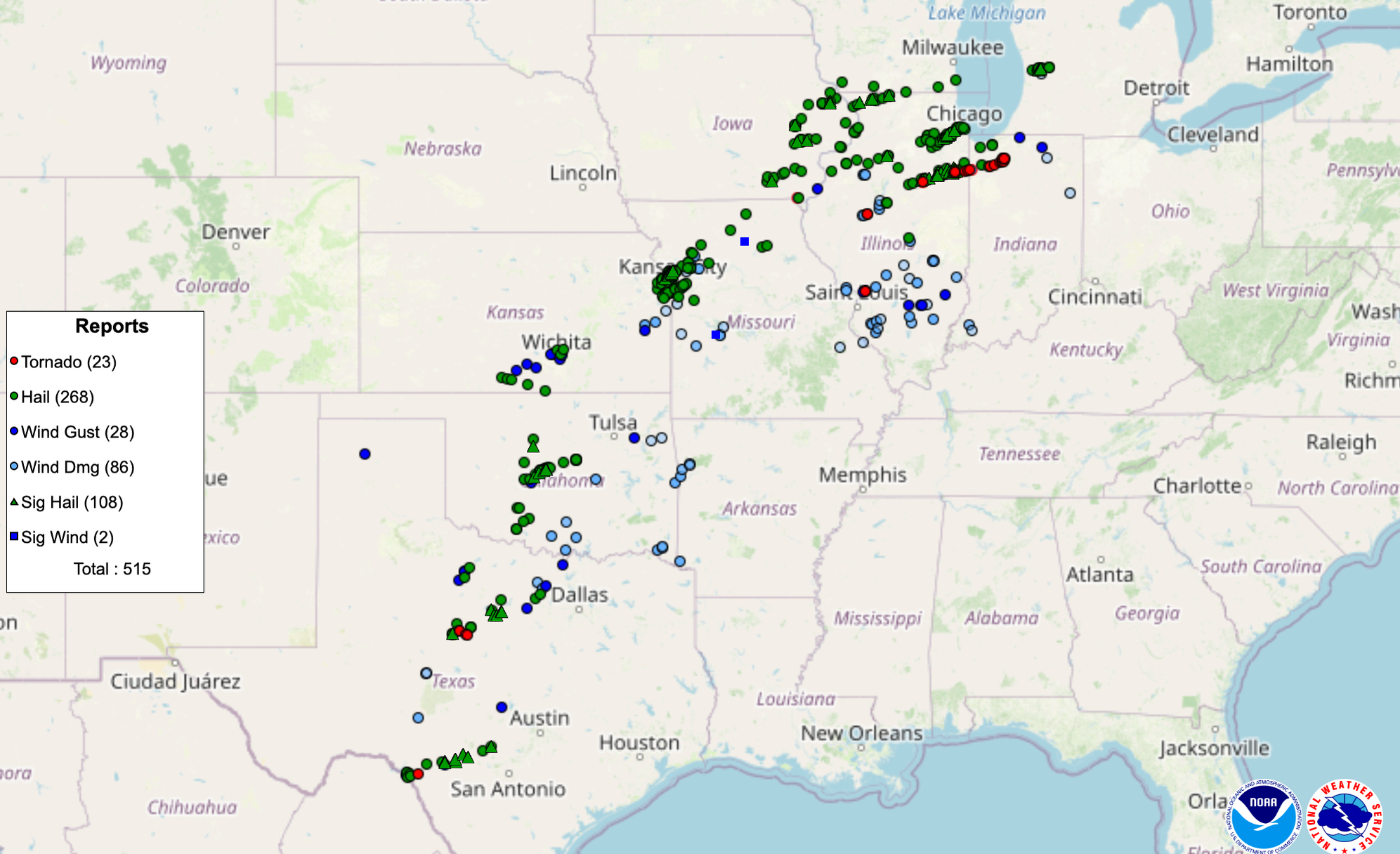
The second major outbreak of spring 2026 occurred between March 8-10, with March 10 being the 5th busiest hail day on record. That day produced record-breaking hail and numerous tornadoes with severe impacts from Texas to Michigan.
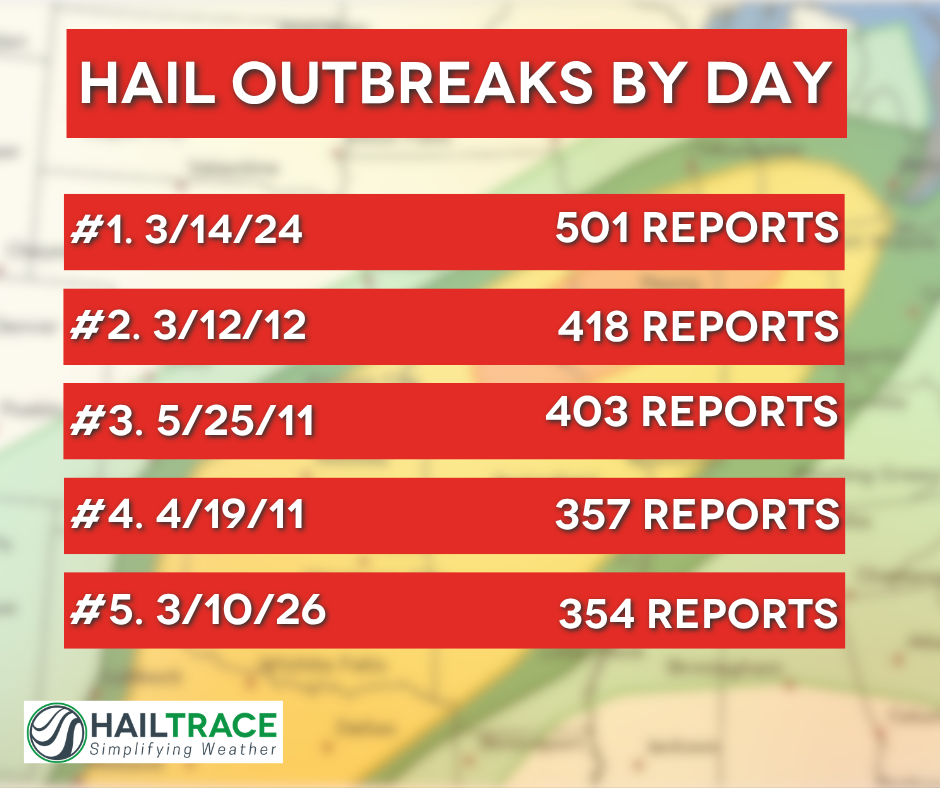
On Tuesday, March 10, a catastrophic hail event impacted 9 states across the Midwest and Southern Plains. Illinois, Oklahoma, Missouri, Kansas, Texas, Indiana, Michigan, Iowa and Wisconsin were impacted by the outbreak and many of the 9 states faced large hail and tornadoes.
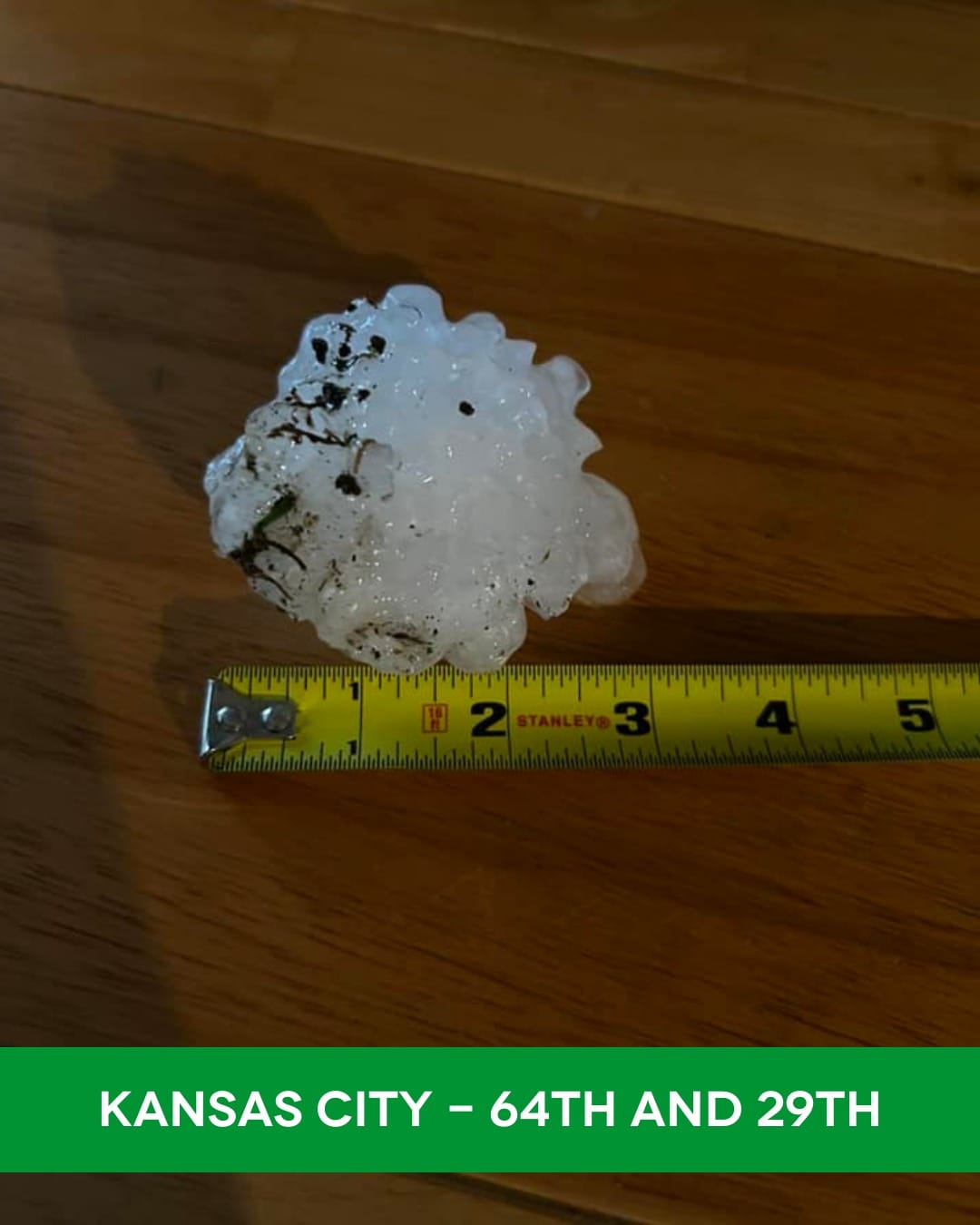


Massive hailstones from March 10th across Missouri and Illinois
OKC Metro Tornado Scare
The same day, March 10, a tornado-warned supercell passed over Braum's Farm in the Oklahoma City metro during a significant severe weather day for central and western Oklahoma.
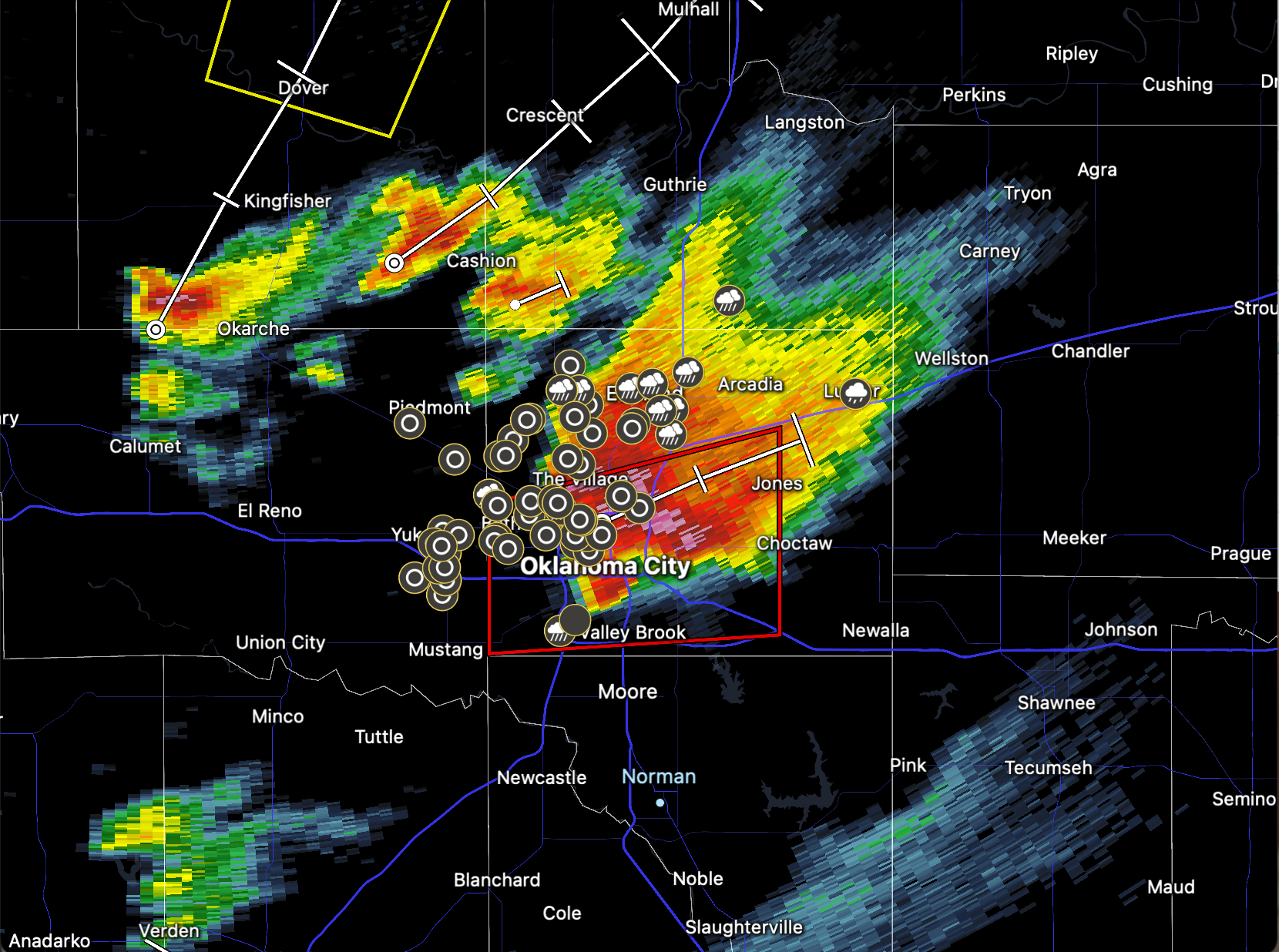
An ominous, wall-cloud setup was visible over the city as it tried to produce a tornado over the metro.
Braums Farm OKC tornado footage. Courtesy, OU Meteorology student, Carl Peterson.
More tornado warnings developed east of OKC later that night, just before midnight. A confirmed tornado impacted rural parts of Mustang, OK as well that afternoon.
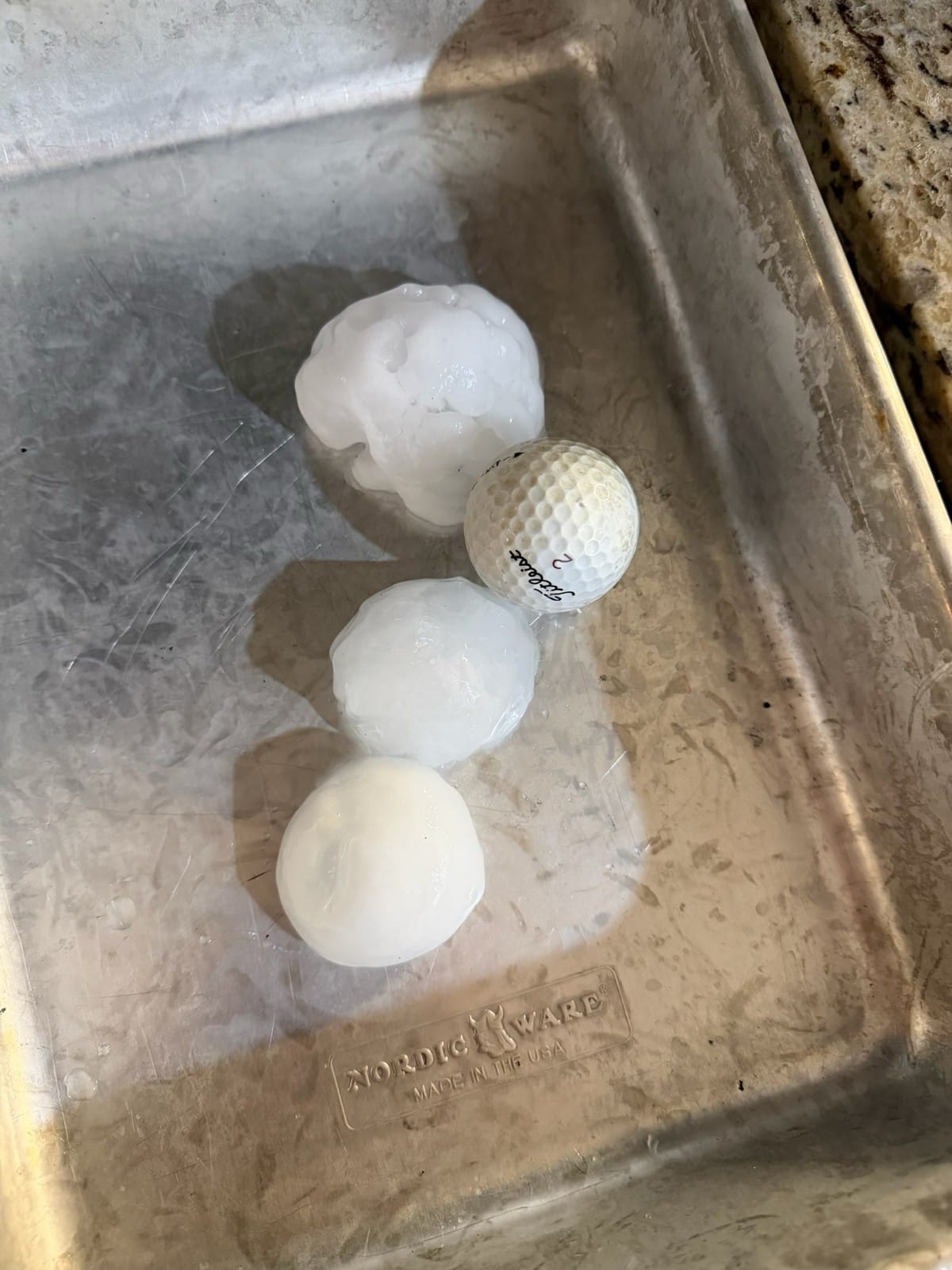


Photos from Oklahoma City hailstorm on March 10th. Photo locations can be found on the map.
Some of these cells began to merge into clusters and lines, increasing the threat for widespread high winds and hail for the metro, while still maintaining the potential for embedded tornadoes. Ultimately, this turned out to be a 3-star hail event for the city.
Baseballs & Record Holders: Illinois Hail

Illinois set a new state record for hail during the March 10, 2026 outbreak, with a Kankakee hailstone measuring 6.14 inches, likely larger before sublimation.
The same day, widespread severe hail, including stones over 2.75 inches, struck Illinois and Iowa, while a violent tornado tracked from Bloomington to Kankakee.
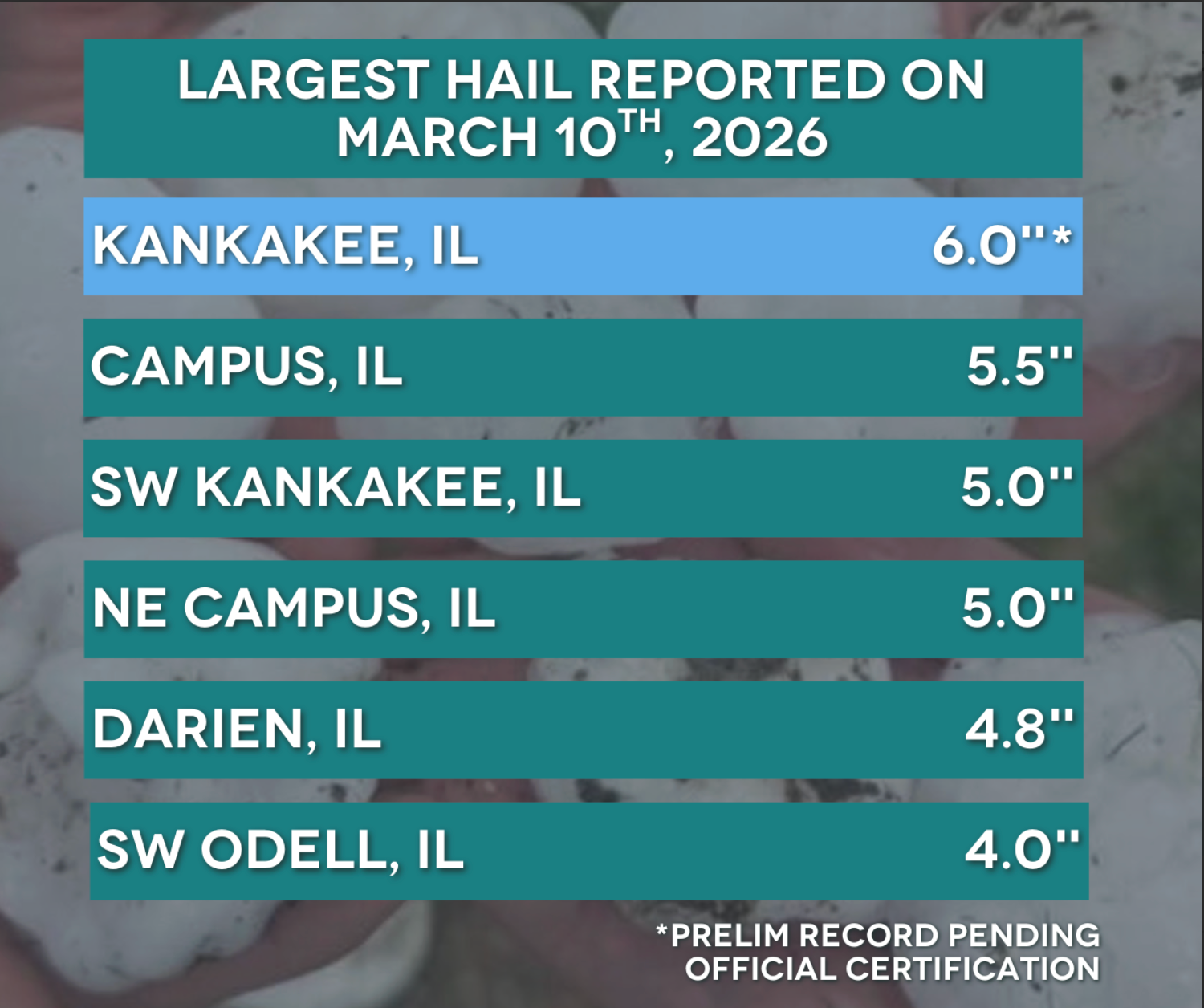
What would later be coined as the Kankakee tornado, prompted a PDS (Particularly Dangerous Situation) warning for Kankakee, Newton, Lake, and Jasper counties until 8:15 PM CDT. Over 100 reports of significant hail were confirmed across nine states, with Illinois recording its largest-ever hailstone.
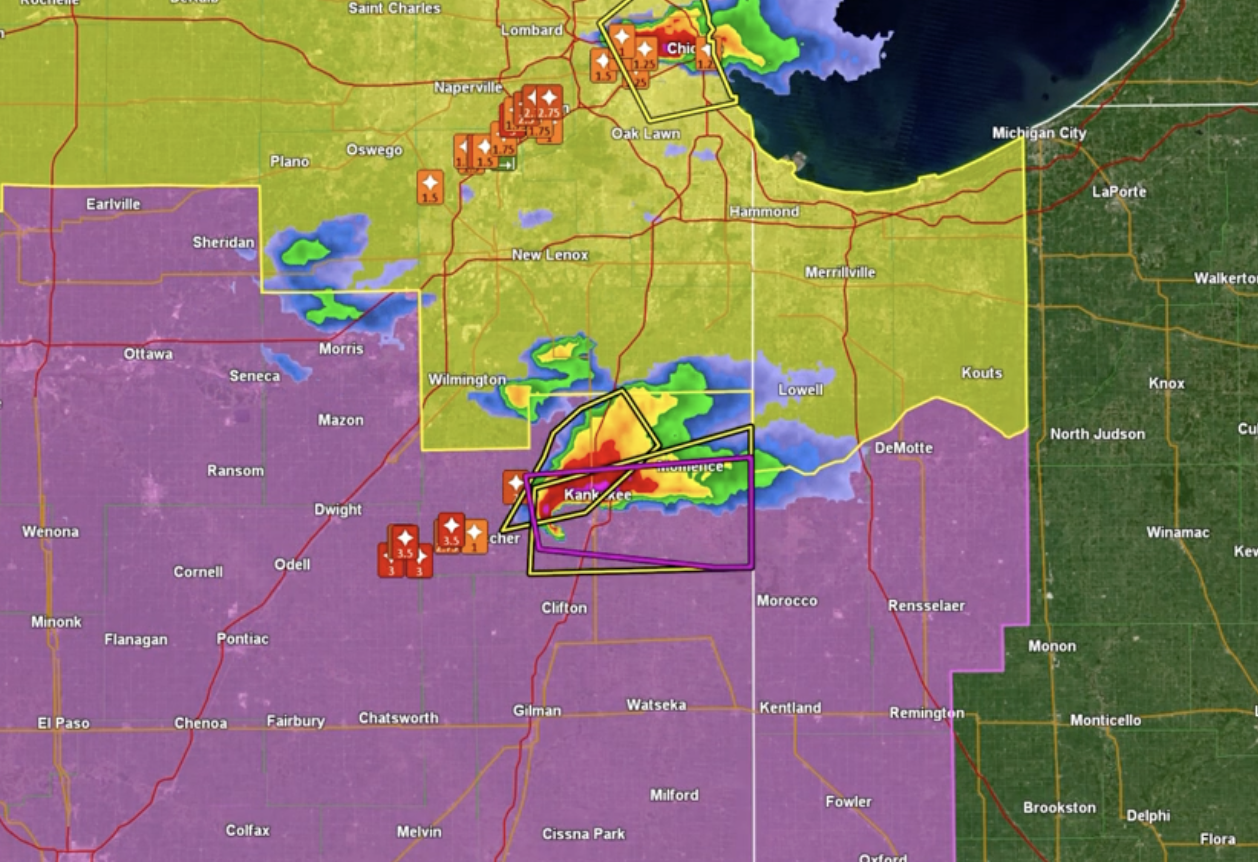
This event impacted a total of 1,254,370+ structures, reaching 20 metros and 854 cities, across all 9 states.
Lemon-Sized Hail: 2 Star Hail Map
On March 27, 2026, a rather complex spring storm setup unfolded as a result of a volatile atmosphere. Ingredients came together by the afternoon as a strong cold front moved through the Upper Midwest.
This system produced scattered severe thunderstorms across central Illinois, northern Indiana, and Ohio on Thursday afternoon and evening, with a threat of baseball-sized hail and possible tornadoes.

HailTrace meteorologists warned of the severe weather risk with main threats for large hail, strong winds, and a few tornadoes. Hail reports included large hailstones around baseball size in parts of Ohio and Illinois.
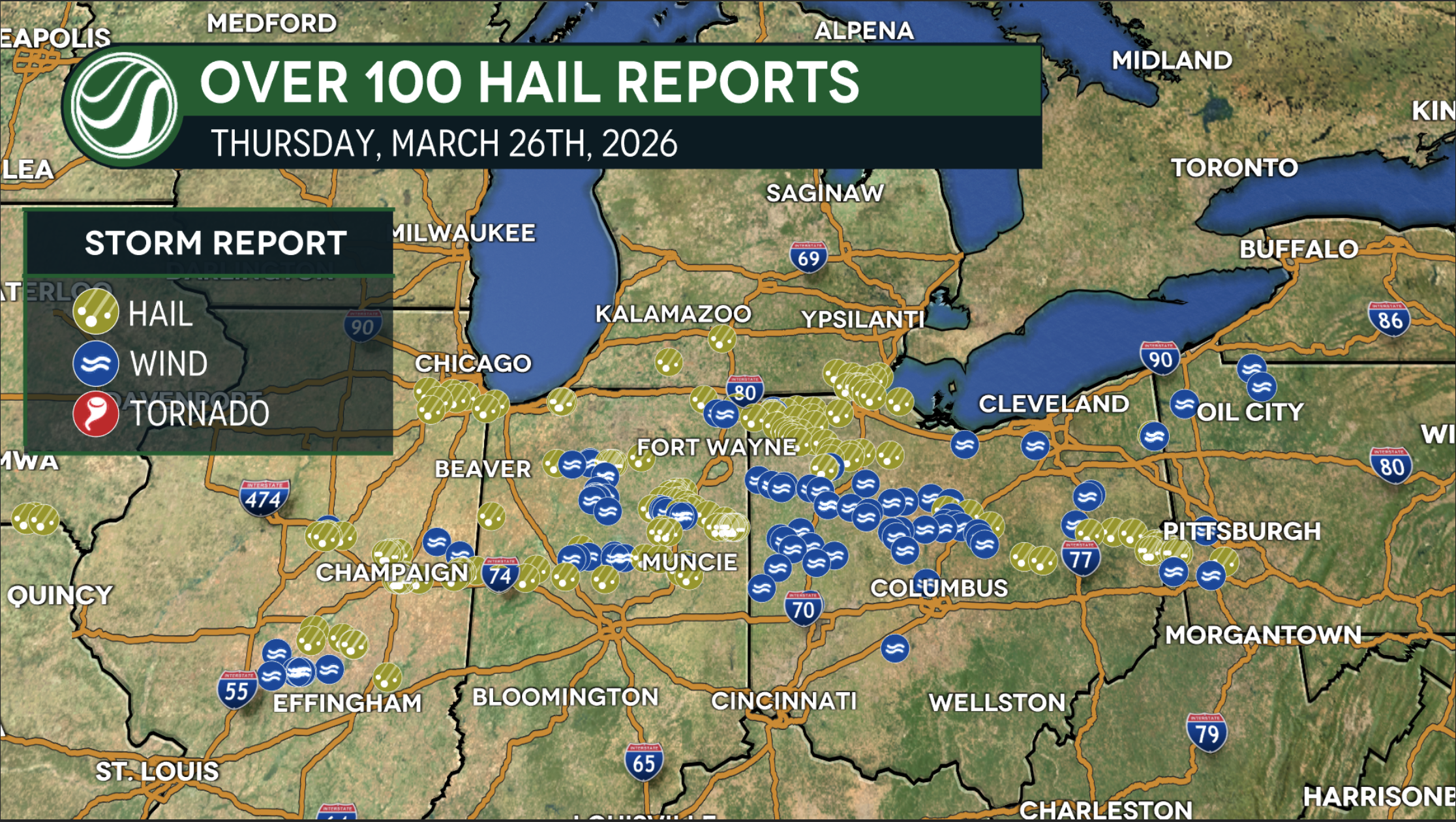
This is an area that repeatedly got hit with storms during March. An unusual pattern, given that this time of year, storm patterns often favor the Gulf states.
New York Rare Hailstorm
To wrap up the month, an uncommon site hit western New York. Large hail came falling down in Gowanda.
Max Hail Size: 1.50"
Structures Impacted 1"+ hail: 10,000+




Gowanda New York, March 31st, 2026 hailstorm
April Outlook
Spring is just getting started, and while March was busy, April looks to be busier. March weather was filled with significant storm impacts, including unfortunate fatalities, underscoring the need to remain vigilant and weather-aware throughout the season.
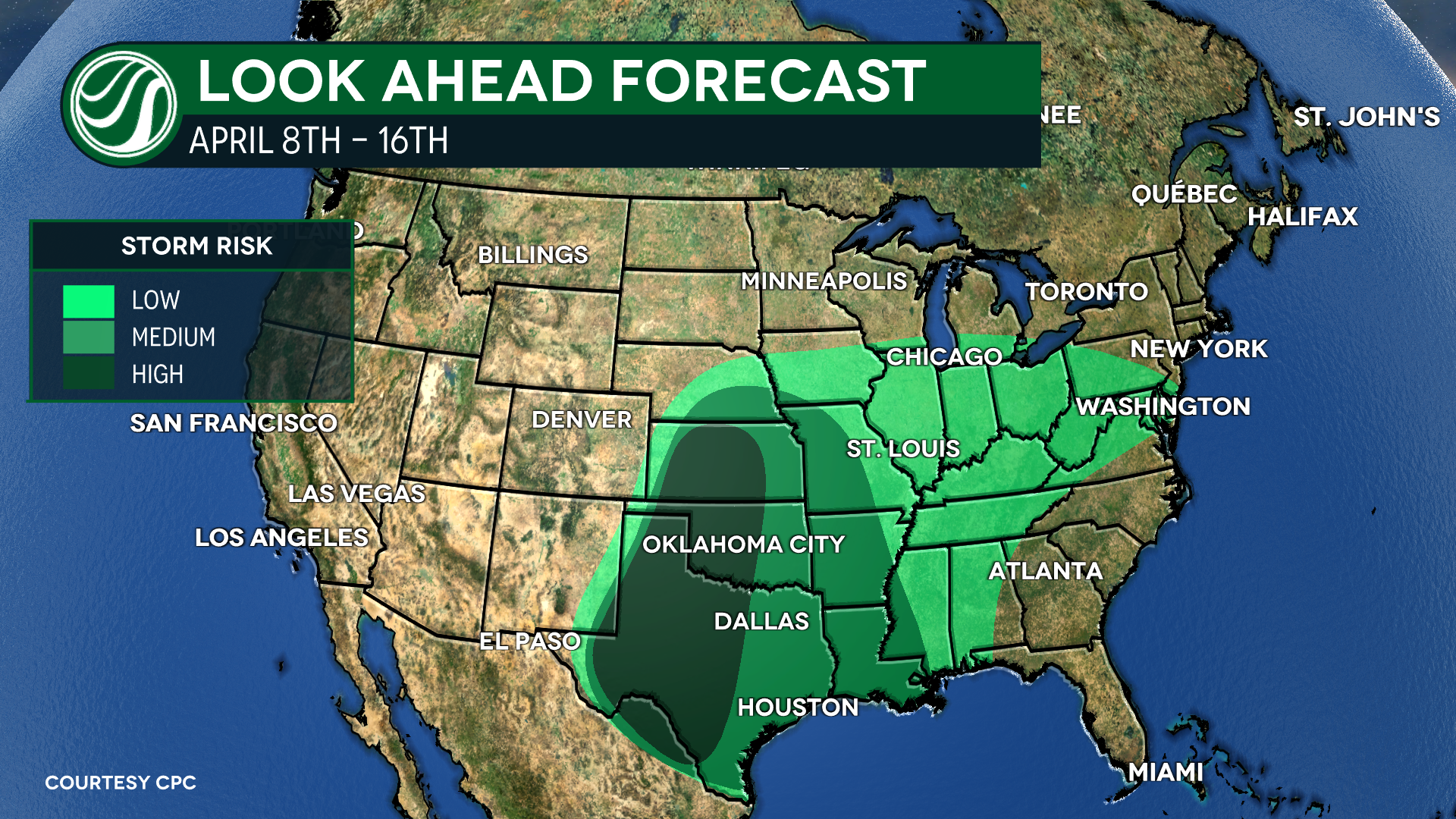
Looking ahead to April, the pattern is expected to turn warmer and more active across the central U.S., increasing the potential for storms. As temperatures rise, conditions may become favorable for strong thunderstorms capable of producing hail, damaging winds, and tornadoes.
Work from storm data built for real decisions. HailTrace gives contractors meteorologist-mapped hail data, live alerts, and tools to help teams target the right areas with more confidence.
Request a demo to see how HailTrace helps you move faster after a storm.