
'Mapping Met' Battles
Hail mapping accuracy starts long before storms hit. HailTrace meteorologists spend the off-season refining mapping techniques to deliver precise storm maps. HailTrace helps to make faster, more profitable decisions when severe weather strikes.

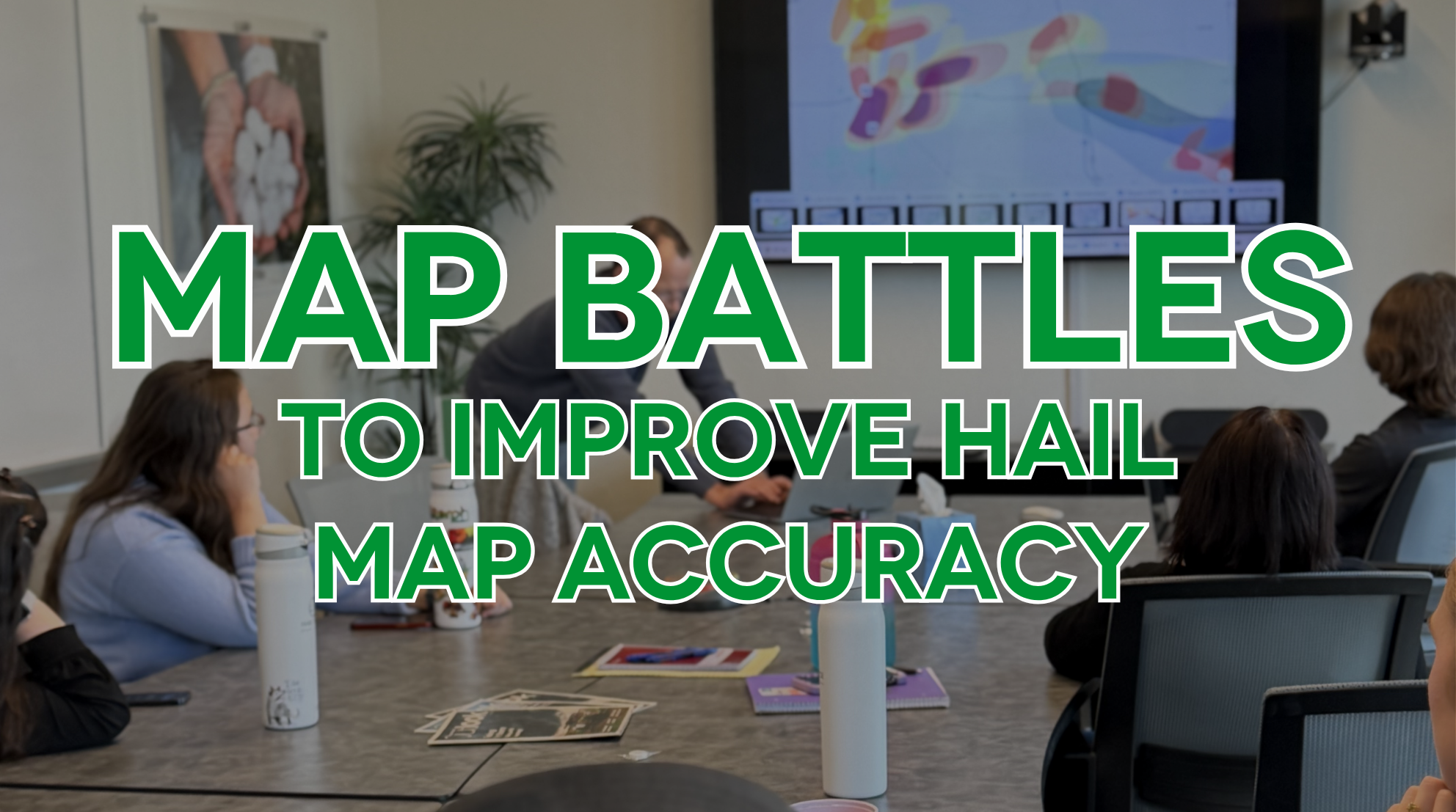
Accuracy during hail season isn’t something you simply switch on, it’s built long before storms begin. During the off-season, HailTrace mapping meteorologists work around the clock to refine hail mapping techniques and improve storm analysis precision so contractors can work from better storm data when the season ramps up.
For contractors, a storm map is not just a visual. It drives real decisions: where to send reps, where to drop mail, where to canvass, and which neighborhoods deserve attention first. A map does not need to be wildly wrong to cost a roofer money. It only needs to be wrong enough to send a team to the wrong part of town.
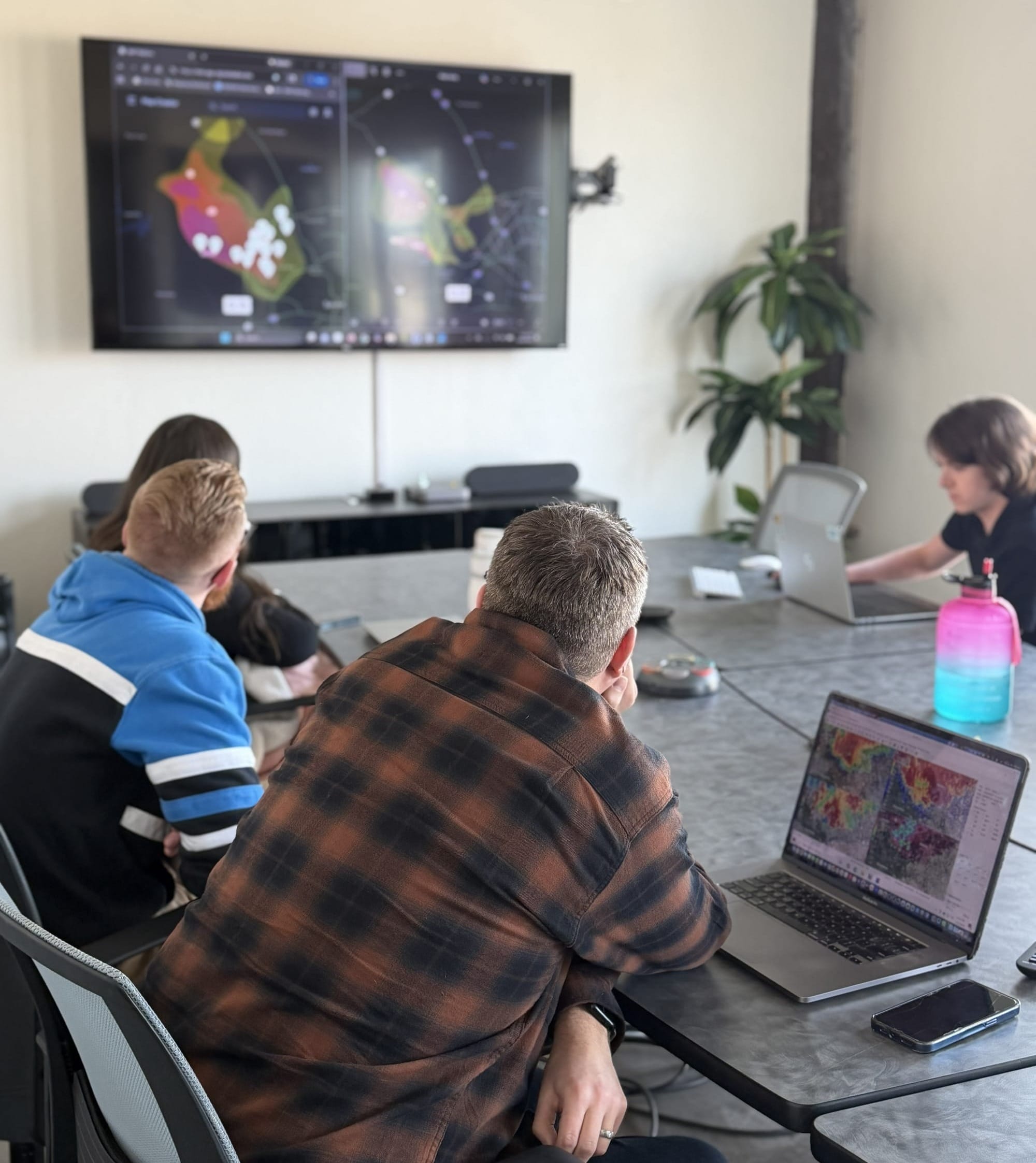
HailTrace employs several specialized types of meteorologists—from mapping and digital specialists to forensic experts—creating one of the most comprehensive severe weather analysis teams in the industry. According to HailTrace CEO Derik Kline, the company employs more meteorologists than many competitors have total employees, highlighting the depth of its weather mapping expertise.
Learn how HailTrace mapping meteorologists track hail with advanced techniques and what makes their storm analysis methods unique.
Why Mapping-Met Battles Matter?
Mapping Met Battles keep HailTrace mapping mets' skills refreshed over the off-season, when things start to slow down weather-wise. This allows them to sharpen their map-making skills.
For Mapping Met Chloe Macey, it's not only about sharpening her skills, it's about education. She says each meteorologist maps things differently, which makes these reviews useful for both skill-building and learning from one another.
“It helps to keep us on our toes and keep us refreshed so we’re still at least doing something even when there’s not a lot of activity.” says Macey.
In addition to analyzing radar, Macey scours the internet for what actually happens at the ground. Photos of hail and storm impacts help to verify the maps that meteorologists create. She refers to the National Weather Center website, Social Media, and first hand reports to gather ground truth for the exact location she's mapping. Fire departments and local law enforcement media pages are also essential.
This is also where human-led mapping separates itself from algorithm-only outputs. Algorithms can pull a few weather parameters and paint a broad area, but they can miss the nuance of how storms actually evolve, especially when hail size, storm structure, or local conditions complicate the picture. HailTrace meteorologists review those situations instead of blindly accepting the first answer.
For roofing contractors, that extra layer of review can make a real difference. Better maps help teams target neighborhoods more confidently, avoid wasting time on weak or misleading swaths, and respond with a clearer understanding of where hail likely mattered most. HailTrace is built to help contractors get to the right areas faster and stay ahead of the competition.
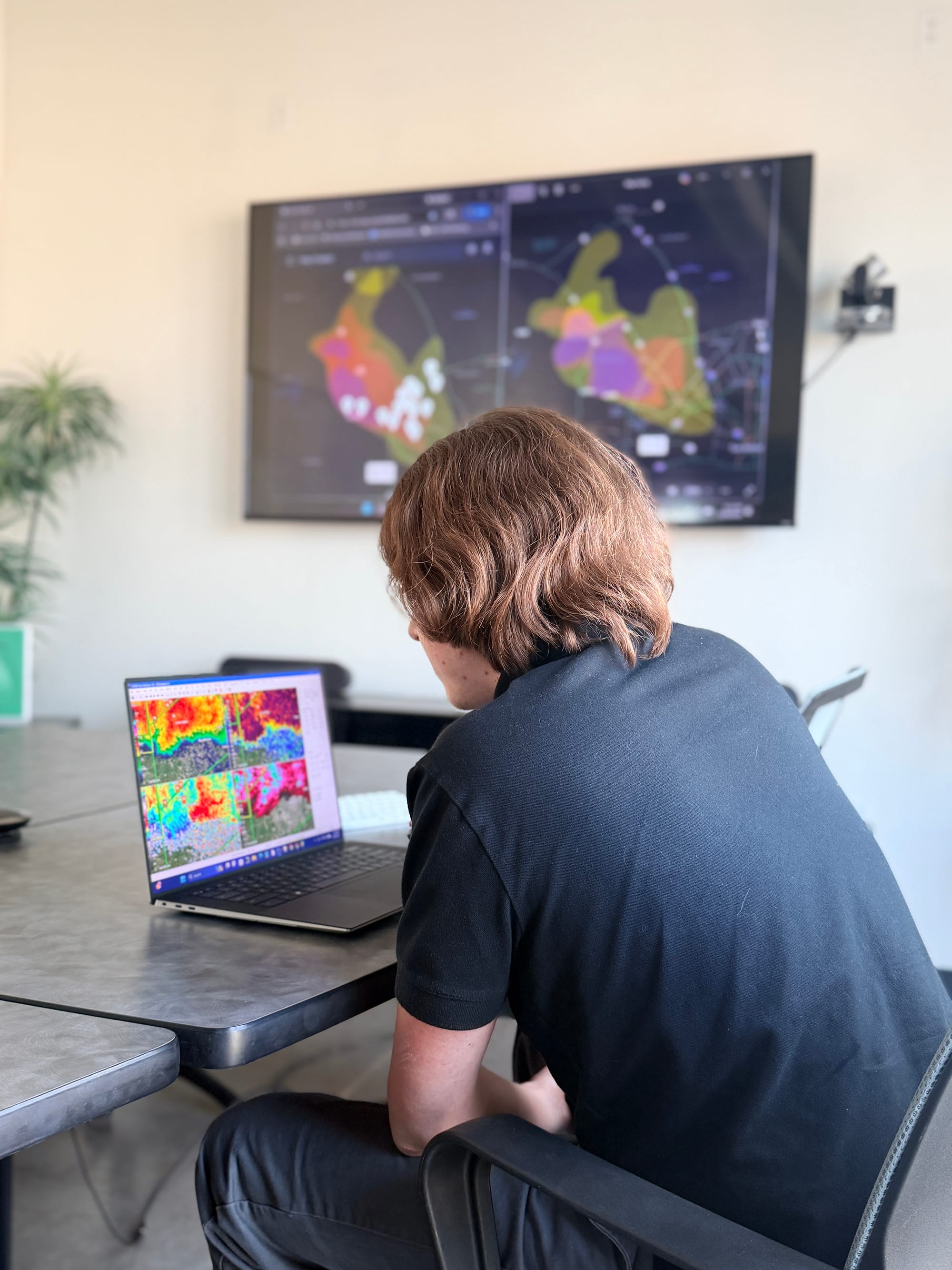
Hail season is not the time to second-guess your map. HailTrace builds accuracy before the season starts, so contractors can target the right areas with more confidence when storms hit.
Work from storm data built for real decisions. HailTrace gives contractors meteorologist-mapped hail data, live alerts, and tools to help teams target the right areas with more confidence.
Request a demo to see how HailTrace helps you move faster after a storm.